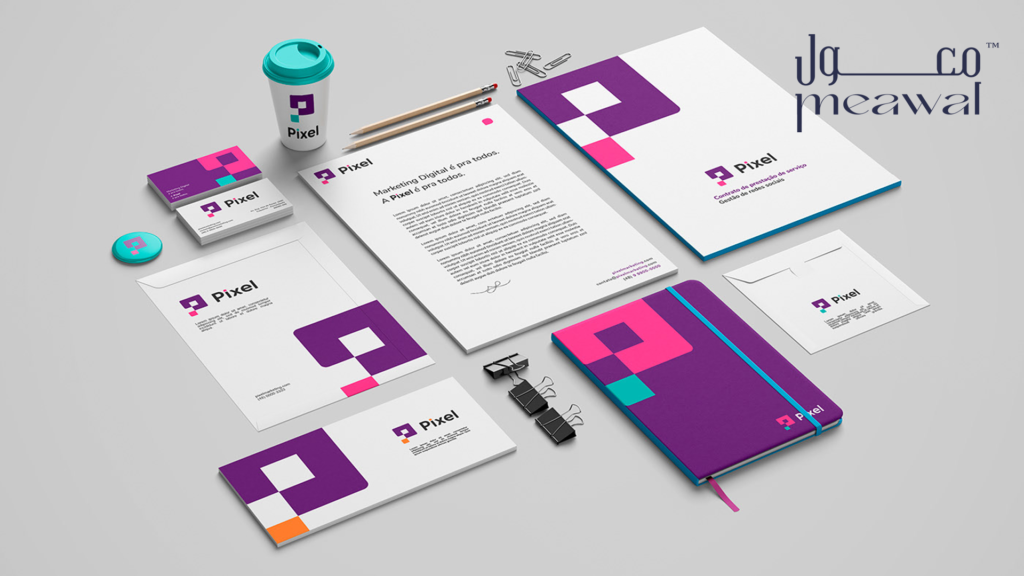
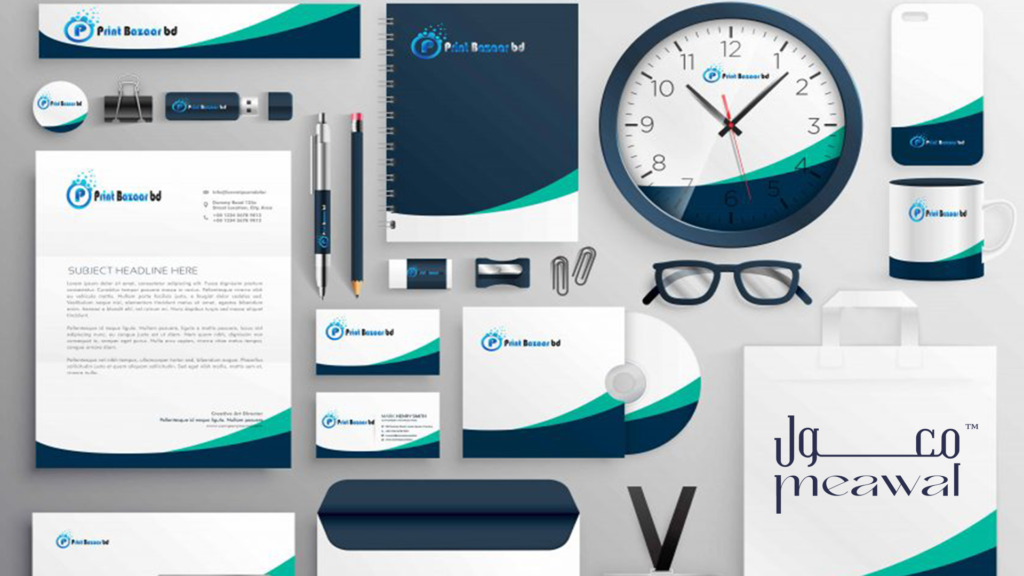
Visual identity design is the process of developing and creating the visual elements that represent a company or project and distinguish it from competitors. These elements include the logo, color palette, typography, icons, and other visual assets that collectively shape the brand’s image and personality.
The primary goal of visual identity design is to create a distinctive brand presence, strengthen brand recognition, and establish a consistent visual experience that customers can easily identify and remember.
Visual Identity Design: Meaning and Importance
Visual identity design is one of the most critical factors in the success of small businesses and startups. A strong visual identity helps communicate a company’s values, mission, and professionalism while building trust and credibility with potential customers.
For emerging businesses, a well-crafted visual identity can serve as a powerful competitive advantage, helping them stand out in crowded markets and create lasting impressions. Consistent use of visual elements across websites, social media, marketing materials, and customer touchpoints reinforces brand awareness and supports long-term growth.
In this article, we’ll explore the key components of visual identity design, its importance for startups and small businesses, and the best practices for creating a memorable and impactful brand presence [...]
Welcome to this article, where we’ll highlight the importance of creating a unique brand identity that distinguishes your business and helps it stand out in a competitive marketplace. A well-crafted brand identity not only captures attention but also attracts customers, builds trust, and delivers a memorable experience that strengthens long-term customer relationships.
Let’s take a closer look at why a distinctive brand identity is essential for business success.
The Importance of Design in Business
Design plays a vital role in the business world. It serves as a powerful tool for communicating a brand’s values, personality, and vision while creating a strong and recognizable presence in the minds of customers.
An effective brand identity goes beyond aesthetics—it helps businesses establish credibility, differentiate themselves from competitors, and create a consistent experience across all customer touchpoints. From logos and color palettes to typography and visual elements, every design component contributes to shaping how customers perceive a brand.
In today’s crowded market, investing in thoughtful and strategic design can significantly influence customer engagement, brand loyalty, and overall business growth. Throughout this article, we’ll explore how a unique brand identity can elevate your business and leave a lasting impression on your audience [...]
A strong visual identity is a fundamental element in building a powerful brand image for any organization or business. Shapes, colors, patterns, and logos reflect the essence of the brand identity and play a key role in increasing customer recognition and strengthening trust in the brand.
In this article, we will explore proven strategies and techniques designed to help you improve and build confidence in using the English language. By leveraging real-world data and practical tips, you will be equipped with the essential tools to enhance your skills effectively and communicate more confidently.
However, it’s important to note that the second part of the text shifts away from the topic of visual identity into language learning, so the ideas are not fully aligned. A clearer structure would be to keep the focus only on visual identity to maintain coherence and clarity throughout the content.
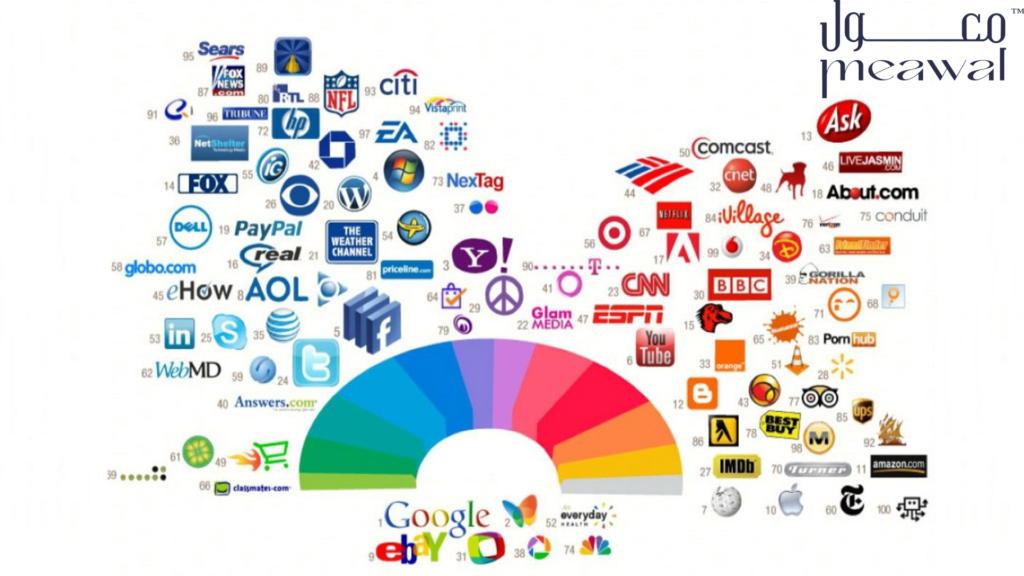
Colors in visual identity design have a powerful impact on your audience and serve as a crucial tool in shaping the desired impression. From red to blue to yellow, and even white and black, these core colors play a key role in defining your brand’s personality and attracting attention.
Have you ever wondered about the role that brand identity colors play in logo creation and in defining how they are used?
The Role of Colors in Visual Identity Design
Colors are one of the most influential elements in building a strong visual identity. They go beyond aesthetics and act as a visual language that communicates a brand’s values, emotions, and personality instantly.
Each color carries specific psychological meanings. For instance, red is often associated with energy, passion, and urgency, while blue reflects trust, stability, and professionalism. Yellow conveys optimism and creativity, whereas black and white are commonly used to express elegance, simplicity, and sophistication.
When used strategically, colors help create a consistent and recognizable brand image across all platforms, including logos, websites, advertisements, and marketing materials. This consistency strengthens brand recall and builds trust with the audience over time.
Why Color Matters in Branding
The choice of colors directly influences how people perceive a brand. It can attract attention, evoke emotions, and even affect purchasing decisions. A well-designed color palette enhances brand recognition and ensures that the visual identity remains memorable and impactful.
Ultimately, colors are not just design elements—they are strategic tools that shape perception, communicate meaning, and define how a brand connects with its audience [...]